
Virginia Beach City Directory Holdings
Virginia Beach has a documented digital pair at the center of its directory shelf, plus wider local leads that need catalog confirmation edition by edition. The confirmed 1971 Hill Directory Company item is preserved through the public library’s digital archive, and the adjacent 1972 volume is available through a FamilySearch catalog record. The wider run is useful for planning, but it does not promise that every listed volume is on a shelf or open online. Ask the library for the exact edition, format, and access conditions before treating a gap as meaningful.
| Collection | Years located | Where held | Access |
|---|---|---|---|
| Hill Directory Company item | 1971 | VBPL digital archive and Brown Archive metadata | Digitized item; in-copyright notice applies |
| Virginia Beach directory record | 1972 | FamilySearch and Internet Archive record | Online catalog record, 1,118 pages |
| Local directory leads | 1962 onward, selected runs through 1999 | VBPL, Brown Archive, and library catalogs | Verify the precise edition and publisher |
| Telephone leads | 1936 onward, scattered runs | Local library and archive channels | Catalog and format confirmation needed |
For an older household, nearby Norfolk, Chesapeake, Portsmouth, or military-installation listings can be relevant leads, but they do not establish Virginia Beach coverage. The strongest note records the edition, page, publisher, exact name form, and address. That trail makes a later check against an archive item, a parcel description, or a deed much easier.
Virginia Beach’s 1971 and 1972 Directory Evidence
The 1971 Virginia Beach directory item is a firm local reference point: it identifies Hill Directory Company, carries item ID A18220600193, and is described as a 121 MB PDF with finding-aid call number LHGN 917.5551 V817 1971. Its catalog status matters. A digitized result can provide a useful page image while still carrying a rights notice that limits broad reuse.
The digitized directory image is tied to the VBPL collection record, where its date, repository path, rights information, and finding aid can be checked. Keep those details with a citation rather than copying a clipped entry without its edition context.
The 1972 FamilySearch catalog record supplies an adjacent-year test. Compare spelling, street number, initial, and any business notation across the two volumes. A change may point to a move, missed listing, sale, or address change. It does not settle who owned a parcel or lived there on every date.
What Virginia Beach Directory Listings Reveal
A printed entry should be transcribed, not modernized. Preserve the surname, initials, exact street wording, abbreviations, and any business or household notation just as it appears. A listing may reflect an occupant, subscriber, boarder, or business contact. It is not an ownership record. The street or reverse portion, when an edition includes one, reverses the path by starting at an address and returning a dated listing.
| Printed name | Keep the surname, first name, and initials exactly as the edition shows them. |
|---|---|
| Address | Record the house number and street without silently converting it to a modern form. |
| Notation | Save abbreviations, household suffixes, and business text because their meaning may depend on the volume’s key. |
| Street index | Where a reverse or criss-cross section exists, use it to begin with an address rather than a surname. |
| Source marker | Capture edition, page, publisher, and item identifier so the same entry can be found again. |
- Criss-cross directory
- An address-ordered section that can lead from a street number to a dated listing.
- Householder index
- A name-oriented index for locating a listing before checking street context.
- Abbreviation key
- The volume’s guide to shortened terms; save it with the entry because meanings vary by publisher.
Note: A directory’s printed address is a historical clue, so retain its page and edition before comparing it with a current parcel record.
Virginia Beach City Directories for Family Trails
Household tracing gains strength from repetition across sources. Begin with the first edition that contains the desired spelling, then work backward and forward one volume at a time. Pair a directory date with the closest federal census, and use deeds, newspapers, obituaries, assessment records, or a probate file to test what changed. The same person can be connected to several localities, particularly where mailing addresses, nearby cities, or military locations enter the record.
- Find the surname, first name, or initial in one confirmed edition and copy the entry exactly.
- Check the prior and next available editions for the same name form and street number.
- Use the reverse section, when present, to compare nearby addresses without assuming common ownership.
- Pair the dated listing with the appropriate census, newspaper, deed, or obituary lead.
- Write down both the current city name and the historic Princess Anne County label for archive searches.
A name leaving the book can mean many things. The person may have moved, died, been omitted, changed a name form, or remained in a place that the publisher did not cover. Independent confirmation matters most when an entry is the only trace of a household at an address.
Virginia Beach City Directory Shelves and Staff
The Edgar T. Brown Local History Archive is based at M.E.O. Central Library, 4100 Virginia Beach Boulevard. Local History and Genealogy material is on the second floor, and the collection is being reorganized, so a staff question is more reliable than shelf memory. Brown Archive originals require an appointment and become easier to retrieve when a researcher supplies a collection or box reference.
The archive image comes from the Brown Archive collection page, which provides the local-history contact route. Tours and archive questions use 757-385-0150 or archives@vbgov.com, while original materials are handled by appointment.
VBPL’s physical archive catalog, ContentDM digital archive, and Virginia Beach Public Library’s Internet Archive collection are separate places to search. Selecting a category in the digital archive can be undone by a later keyword search, so repeat a search at the collection level when a result seems to vanish. Licensed obituary and newspaper resources may have in-library or card-based access limits.
Princess Anne County Directory Labels
Virginia Beach is an independent city, not a county seat. Its records trail also carries the name Princess Anne County, formed in 1691 and incorporated into Virginia Beach in 1963. That double label is a local search quirk: an older person, address, or court record may be indexed under Princess Anne County even when the present-day custodian is a Virginia Beach office or the Library of Virginia.
Search both forms before deciding a family has disappeared from the record. Federal schedules can also appear under Princess Anne County, Norfolk, or Virginia Beach depending on the year and boundary. Match locality, street, household, and map context rather than treating the place label alone as conclusive.
Virginia Beach City Directories Beyond Print
Directories are one shelf in a wider local record set. Brown digital objects can include photographs, family papers, fliers, postcards, articles, and local histories. A Cape Colony Club membership letter from 1965 shows how a named local item can preserve a community connection while also displaying title, subject, publisher, date, format, collection, and rights metadata. That metadata is often as important as the image itself.
The Library of Virginia’s Princess Anne County inventory adds deeds, wills, church registers, marriage materials, electoral minutes, and court books. Its Chancery Records Index can add heirs, disputes, partitions, and land narratives. These sources answer different questions from a printed directory entry, which is why they are useful checks rather than duplicate searches.
Old Houses and Virginia Beach Address Stories
Hope and Sadie Kellam’s 1931 Old Houses in Princess Anne joined records with interviews, offering a local model for researching a place as well as a name. The Princess Anne County/Virginia Beach Historical Society preserves historic-property context and identifies Upper Wolfsnare as a signature property. A directory address can become a starting point for land, architecture, family, and neighborhood history, not a final answer by itself.
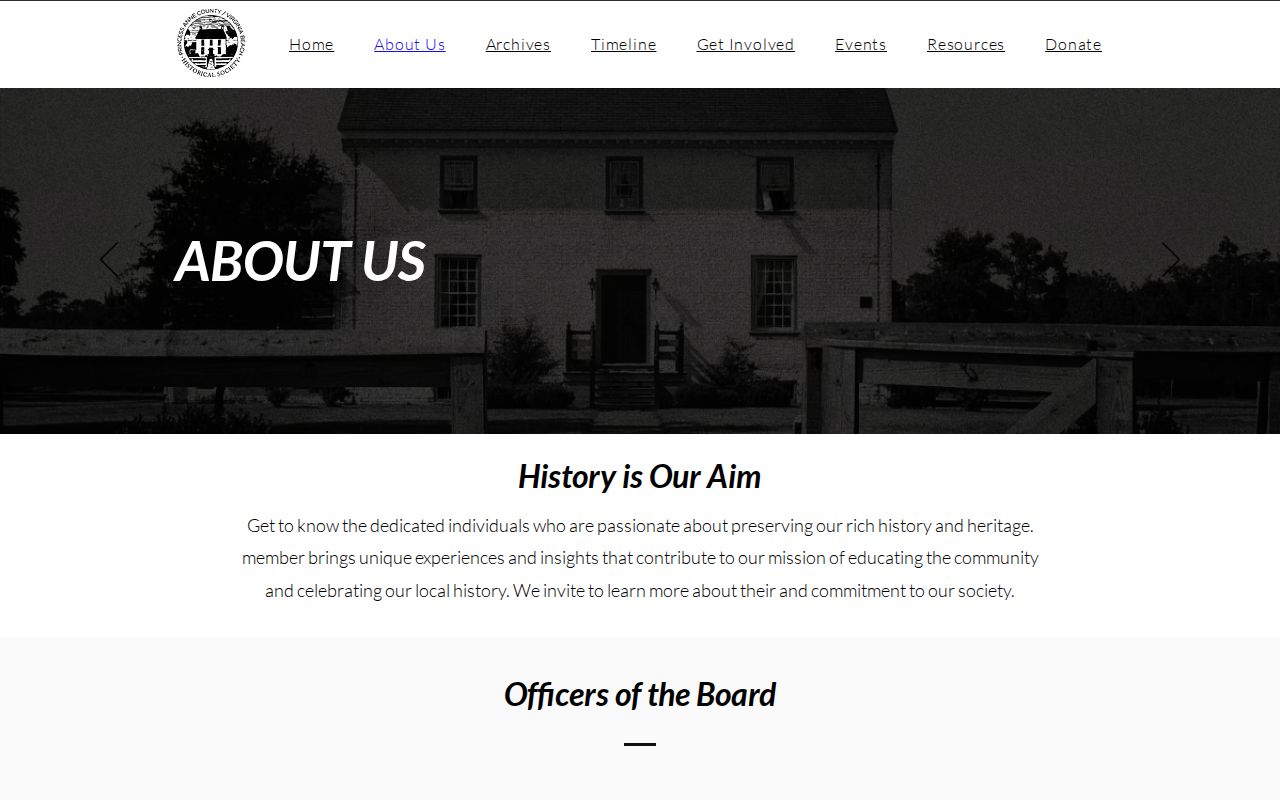
The historical-society image links back to the Princess Anne County/Virginia Beach Historical Society and its preservation mission. Use its programs and property history as context, then confirm any person or parcel claim in the dated record that supports it.
Note: A directory, oral account, and parcel record may use different names for the same place, so preserve each source’s own wording and date.
Virginia Beach City Directory Rights and Access
Access depends on the object. The 1971 digital item is marked in copyright, and a catalog result may route a reader to a library, account, terminal, or appointment rather than unrestricted copying. Ancestry Library Edition, Heritage Hub, America’s Obituaries, and Access World News are library research channels with access rules that can vary. Interlibrary loan is another route: VBPL can lend free, normally for 60 days, and does not charge for copies within copyright, while non-VBPL users should begin with their own library.
A local catalog is also a useful negative check. No official comprehensive Virginia Beach interment database was located in the research, so cemetery questions should move through library databases, church material, cemetery books, or the Library of Virginia rather than an invented citywide index. A careful citation should state whether the source is a catalog lead, a scanned item, or an original consulted by appointment.
Use historical names carefully and respectfully, especially where an index preserves period language. For a living person, keep research within lawful personal and historical purposes. Do not combine scattered clues to track, harass, or harm anyone.